

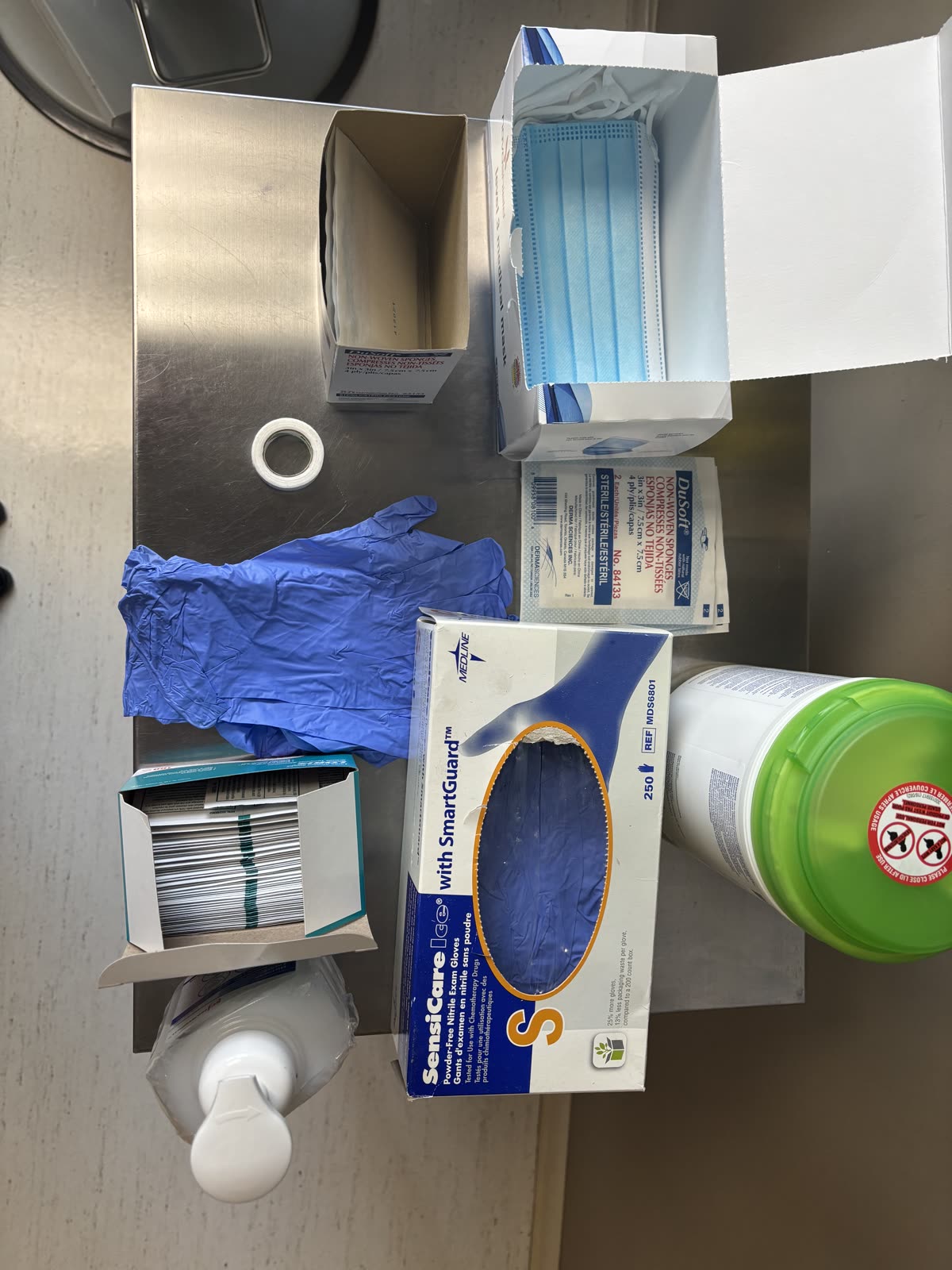
Leaving the hospital feels like the finish line, but for many patients and families, the first two weeks at home are actually the riskiest part of recovery. New medications, a healing wound, unfamiliar equipment, and a body that is still fragile all collide at once, often with no clinician in the room to catch a problem early. This is the gap that post-discharge nursing care is built to close.
As a Registered Nurse who has managed hundreds of transitions from hospital to home across Metro Vancouver, I've seen how a few well-timed nursing visits in that first week can be the difference between a smooth recovery and a trip back to the emergency room. This guide explains what post-discharge nursing care actually involves, who benefits most, and how to know if your family needs it.
What Is Post-Discharge Nursing?
Post-discharge nursing care is short-term, clinical care delivered by a Registered Nurse in a patient's home in the days and weeks immediately after a hospital stay, surgery, or emergency department visit. Unlike general home support, it is a skilled nursing service: the nurse is trained to assess a wound, interpret vital signs, manage complex medications, and recognize when a symptom needs urgent medical attention rather than simply monitoring for comfort.
The goal is specific and practical: help the patient safely bridge the period between "still recovering under a physician's care" and "back to their normal baseline," while giving family caregivers the confidence and knowledge to support them in between visits.
What a Post-Discharge Nurse Actually Does
The exact scope depends on the reason for the hospital stay, but a typical post-discharge nursing plan can include:
- Wound and surgical site checks, including dressing changes and monitoring for early signs of infection.
- Medication reconciliation, comparing the discharge summary against what is actually in the home, since new prescriptions, dose changes, and discontinued medications are among the most common sources of post-hospital complications.
- Vital sign monitoring, such as blood pressure, heart rate, oxygen levels, and temperature, tracked against what is normal for that individual patient.
- Catheter, ostomy, or drain care for patients discharged with equipment they have not managed before.
- Chronic disease follow-up, checking in on conditions like heart failure or diabetes that may have been destabilized by the hospitalization itself.
- Family and caregiver education on exactly what to watch for and who to call if something changes between visits.
Before you leave the hospital, ask for a printed, up-to-date medication list and compare it line by line against the pill bottles already at home. Mismatches between the two are one of the most common, and most preventable, causes of a return trip to hospital.
Who Typically Needs It
Not every discharge requires nursing follow-up. Post-discharge nursing tends to make the biggest difference for people who have had major or complex surgery, a new or worsening chronic condition such as congestive heart failure, COPD, or diabetes, a fall or fracture, or any hospitalization that left them with new equipment, a new medication regimen, or reduced mobility. It is also valuable for anyone living alone, or whose family caregiver feels unsure about managing a clinical task like a dressing change safely.
Age matters too. Older adults are more likely to be sent home with several medication changes at once and are more vulnerable to the small warning signs, like a slight change in swelling or confusion, that can signal a bigger problem developing.
It's also worth considering the caregiver's own confidence, not just the patient's medical complexity. A family member who feels uneasy about changing a dressing correctly or checking a blood pressure reading accurately is a reasonable signal to bring in professional support, even if the underlying recovery is otherwise expected to go smoothly.
Post-Discharge Nursing vs. Home Support
Families often use "nurse" and "caregiver" interchangeably, but the two roles are legally and clinically distinct. A Registered Nurse can perform clinical tasks: changing a wound dressing, administering certain medications, assessing vital signs, and making judgment calls about when a symptom needs a physician's attention. A home support worker or caregiver, by contrast, focuses on non-clinical daily living tasks: bathing, dressing, meal preparation, light housekeeping, and companionship.
Many recoveries actually need both, just at different intensities. A short course of nursing visits addresses the clinical risk in the first few weeks, while ongoing post-discharge nursing and home care support can continue at a lighter touch once the acute risk has passed.
What to Expect at the First Visit
A first post-discharge visit usually starts with a full review of the discharge paperwork, a head-to-toe assessment, and a walk-through of every medication in the home. The nurse will typically check the surgical site or area of concern, take baseline vital signs to compare against future visits, and ask detailed questions about diet, mobility, sleep, and pain control. Before leaving, a good nurse will leave the family with a clear, written list of "call us if you see this" warning signs specific to that patient's condition, not a generic pamphlet.
How Long Does It Last?
Post-discharge nursing is intentionally short-term. Depending on the complexity of the recovery, it might mean a single visit to confirm everything looks stable, or a series of visits over one to four weeks while a wound heals or a medication regimen is stabilized. It is not designed to replace ongoing home care, and a nurse experienced in transitional care will tell you early on when it's appropriate to step down to a lighter level of support, or step up if recovery isn't progressing as expected.
Signs You May Need More Support
Contact your family doctor or care team if you notice increasing redness, swelling, or drainage at a wound site, a fever, new or worsening confusion, shortness of breath, chest pain, or a fall. These can be signs of infection, medication side effects, or a complication that needs medical evaluation rather than home monitoring alone. When in doubt, it is always safer to call than to wait and see.
If your family is finding it hard to keep up with dressing changes, medication timing, or simply keeping a close enough eye on things day to day, that is itself a sign it's time to bring in professional support rather than trying to manage everything alone.
Getting Started in Metro Vancouver
If a hospital discharge is coming up, the best time to arrange nursing support is before the discharge date, not after a problem appears. Our nursing team can review the discharge summary with your family, build a short-term visit plan around the specific risks in that recovery, and coordinate directly with the discharging hospital or the family physician so nothing falls through the cracks in the handoff.
Even if a discharge has already happened and your family is a few days in, it's not too late to bring in nursing support. A first visit can still catch a developing medication mismatch, reassess a wound, or simply confirm that recovery is on track, which often brings real peace of mind to a family that has been managing everything alone since leaving the hospital.
Frequently Asked Questions
Typical services include wound and surgical site checks, medication review, vital sign monitoring, catheter or ostomy care, and teaching families the warning signs that need a doctor's attention.
Many care teams aim to begin the first visit within 24 to 48 hours of arriving home, since medication errors and missed warning signs are most common in that early window.
No. A Registered Nurse provides clinical tasks like dressing changes and medication management, while a home support worker assists with non-medical tasks such as bathing, meals, and light housekeeping.
It is meant to be short-term, typically a few visits over one to four weeks while recovery is unstable. Many families then step down to ongoing home care or personal support if needed.
Risper Murunga, RN, BSN, MPH
Risper is the Clinical Director and Lead Registered Nurse at OnPoint Nurse & Home Care, bringing over 20 years of clinical care and healthcare leadership experience to families across Metro Vancouver.